


Choosing the right early childhood education for your child is a significant decision. It’s a choice that can impact their development, social skills, and future academic success. Early childhood education lays the foundation for a child’s growth, making it crucial for parents to select the most appropriate environment.
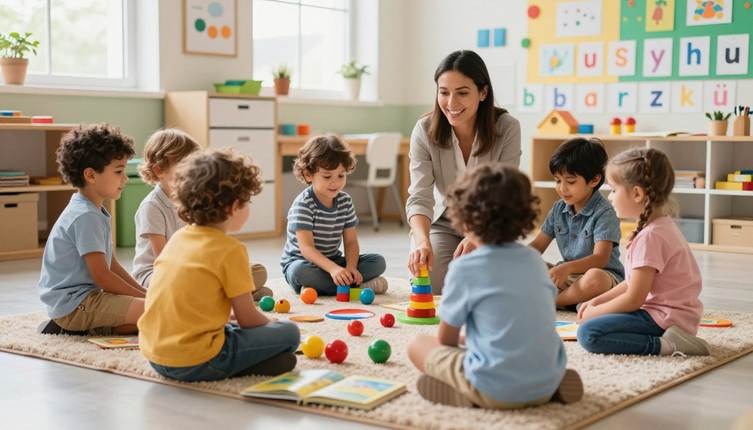
When deciding between different early childhood education options, parents often find themselves torn between preschool and playschool. While both aim to provide a nurturing environment, they differ in their approaches to child development. Understanding these differences is key to making an informed decision.
Key Takeaways
- Early childhood education is crucial for a child’s development and future success.
- Preschool and playschool differ in their approaches to child development.
- Understanding the differences between preschool and playschool is essential for making an informed decision.
- Parents should consider their child’s needs when choosing between preschool and playschool.
- The right choice can positively impact a child’s social skills and academic future.
The Importance of Early Childhood Education
The importance of early childhood education cannot be overstated, as it lays the groundwork for a child’s cognitive, emotional, and social development. This period is crucial for laying the foundation for future academic success and personal growth.
How Early Education Shapes Development
Early childhood education plays a significant role in shaping a child’s development. It influences their ability to learn, interact with others, and develop emotionally and socially. High-quality early education can lead to better academic outcomes, improved social skills, and enhanced emotional intelligence.
Research has shown that children who participate in early childhood education programs tend to perform better in school and have better social skills. This is because early education helps children develop critical skills such as problem-solving, communication, and self-regulation.
The Right Start for Your Child’s Learning Journey
Giving your child the right start in their learning journey is crucial. This involves choosing an educational setting that aligns with their needs and provides a nurturing environment. Parents should consider factors such as the curriculum, teaching methods, and the overall atmosphere of the educational institution.
When selecting an early childhood education program, parents should look for one that:
- Offers a balanced curriculum that includes academics, arts, and physical activities
- Employs qualified and experienced teachers
- Provides a safe and welcoming environment
- Encourages parental involvement
What Parents Should Consider
Parents should consider several factors when deciding on an early childhood education program. These include the program’s educational philosophy, the qualifications of the teachers, and the overall cost. It’s also essential to consider the program’s reputation and the feedback from other parents.
| Factors to Consider | Description | Importance Level |
| Educational Philosophy | Aligns with your values and expectations | High |
| Teacher Qualifications | Ensures high-quality education and care | High |
| Cost | Affects your budget and financial planning | Medium |
| Parental Involvement | Enhances your child’s learning experience | Medium |
By carefully considering these factors, parents can make an informed decision that supports their child’s early development and sets them up for long-term success.
What Is a Playschool?
Understanding the concept of a playschool is crucial for parents considering early childhood education options for their children. A playschool is designed to provide a nurturing environment where young children can develop their social, emotional, and cognitive skills through play.
Definition and Core Concept
A playschool is an educational institution that caters to young children, typically between the ages of 2 to 4 years. The core concept revolves around play-based learning, where children learn and develop skills through interactive play activities. This approach is centered on the idea that children learn best when they are actively engaged and having fun.
Typical Age Range for Playschool
The typical age range for playschool admission is between 2 to 4 years. This stage is critical for a child’s development as it lays the foundation for future academic and social success. Playschools are designed to cater to the unique needs of children at this age, providing a safe and stimulating environment.
Curriculum and Activities
The curriculum in a playschool is designed to be engaging and interactive, focusing on various aspects of a child’s development. Activities are tailored to promote social development, cognitive skills, and emotional intelligence.
Play-Based Learning Approach
The play-based learning approach is a cornerstone of playschool education. It involves using play as a medium to teach various skills, including problem-solving, creativity, and critical thinking. This method encourages children to explore, experiment, and learn at their own pace.
Social Development Focus
Playschools place a significant emphasis on social development. Children are encouraged to interact with their peers, share, take turns, and develop essential social skills. This focus helps children become confident, empathetic, and well-adjusted individuals.
Benefits of Playschool
Attending a playschool can have numerous benefits for young children. It not only prepares them for formal schooling but also helps in developing essential life skills. Some of the key benefits include improved social skills, enhanced creativity, and a strong foundation for future academic success.
What Is a Preschool?
Preschool represents a significant milestone in a child’s educational pathway, offering a structured environment that fosters early learning and development. It is designed for children before they begin formal schooling, typically between the ages of three and five.
Definition and Educational Approach
A preschool is an early childhood education program that provides a nurturing environment where children can develop socially, emotionally, and cognitively. The educational approach in preschools often involves play-based learning, where activities are designed to promote learning through exploration and discovery.
“Play is the highest form of research.” – Albert Einstein
Age Range for Preschool Admission
The typical age range for preschool admission is between three and five years old. However, some preschools may accept children as young as two or as old as six, depending on their specific programs and policies.
Curriculum Structure
The curriculum structure in preschools is designed to be engaging and educational, laying the groundwork for future academic success.
Academic Foundations
The curriculum focuses on building academic foundations by introducing basic concepts in reading, writing, mathematics, and science through interactive and play-based activities.
Structured Learning Environment
A structured learning environment is crucial in preschools, providing a safe and organized space where children can learn and grow. This structure helps children develop discipline and understand the importance of following routines.
Benefits of Preschool Education
The benefits of preschool education are numerous, including enhanced social skills, improved emotional intelligence, and a stronger foundation for future academic success. Preschools also offer an opportunity for children to develop independence and self-confidence.
| Benefits | Description |
| Social Skills | Children learn to interact with peers and teachers, developing essential social skills. |
| Emotional Intelligence | Preschool activities help children understand and manage their emotions. |
| Academic Preparation | Early introduction to basic academic concepts prepares children for formal schooling. |
Preschool vs Playschool – Key Differences
Preschool and playschool, though often used interchangeably, have distinct approaches to early childhood education that cater to different needs and expectations. Understanding these differences is vital for parents to make informed decisions about their child’s educational journey.
Educational Philosophy and Goals
The educational philosophy of a preschool is generally more structured, focusing on preparing children for kindergarten and beyond. It often includes a curriculum that emphasizes basic literacy, numeracy, and social skills. In contrast, a playschool tends to have a more flexible approach, focusing on play-based learning that encourages exploration and creativity.
“Play is the highest form of research,” as noted by Albert Einstein, highlighting the importance of play-based learning in early childhood education.
Learning Environment and Structure
Preschools typically have a more formal learning environment with designated areas for different activities. The day is often divided into scheduled sessions for learning, play, and rest. Playschools, on the other hand, maintain a more relaxed atmosphere, with activities centered around play and less emphasis on structured learning.
Teacher Qualifications and Approach
Teachers in preschools usually have formal training in early childhood education, with some possibly holding degrees in education or related fields. In playschools, while some teachers may have formal training, others might be caregivers with experience in child development. The approach to teaching also varies, with preschools often using more traditional teaching methods and playschools focusing on activity-based learning.
Schedule and Time Commitment
Preschools generally have a more rigorous schedule, with longer hours and more structured activities. Playschools tend to have more flexible timings, accommodating the needs of parents who may not require full-day care.
Cost Comparison in Chennai
The cost of preschool and playschool in Chennai can vary significantly based on factors like location, facilities, and reputation. Generally, preschools tend to be more expensive due to their structured curriculum and qualified teachers. For instance, Geeki D Preschool in Rajakilpakkam, Chennai, offers a range of programs tailored to different needs, with fees reflecting the quality of education and care provided.
| Aspect | Preschool | Playschool |
| Educational Approach | Structured, curriculum-based | Play-based, flexible |
| Teacher Qualifications | Formal training, degrees in education | Variable, some with formal training |
| Schedule | More rigorous, longer hours | Flexible, accommodating |
Preparation for Primary School
Preschools are generally better equipped to prepare children for primary school due to their structured curriculum and emphasis on academic readiness. Playschools, while beneficial for social and emotional development, may require additional preparation for children transitioning to formal schooling.
Which One Is Right for Your Child?
Choosing between preschool and playschool can be a daunting task for parents. The decision hinges on understanding your child’s unique needs and aligning them with the right educational environment.
Assessing Your Child’s Personality and Needs
Every child is different, with their own personality traits and learning needs. Some children are more independent and may thrive in a structured preschool environment, while others might require a more nurturing and play-based approach, typically found in playschools.
Considering Your Child’s Development Stage
Understanding your child’s developmental stage is crucial. Preschools often cater to children aged 3-5 years, focusing on foundational learning skills. Playschools, on the other hand, may accept younger children and emphasize social and motor skill development.
Family Schedule and Logistics
Your family’s schedule and logistical considerations play a significant role. Consider the duration and timing of the programs offered by preschools and playschools, and how they fit into your family’s routine.
Educational Goals and Expectations
Your educational goals for your child are paramount. This includes both short-term and long-term objectives.
Short-Term Development Goals
In the short term, you might focus on goals such as socialization, basic numeracy, and literacy skills. Playschools often excel in these areas through play-based learning.
Long-Term Academic Preparation
For long-term academic success, preschools might offer a more structured curriculum that prepares children for primary school. Consider how each option aligns with your long-term expectations for your child’s education.
Making the Final Decision
Ultimately, the decision comes down to a balance of your child’s needs, your family’s circumstances, and your educational goals. Visiting both preschools and playschools, talking to teachers, and understanding their philosophies can provide valuable insights.
Can a Child Attend Both?
Many parents wonder if it’s feasible for their child to attend both preschool and playschool, and the answer lies in understanding the benefits and challenges of this combined approach.
Benefits of Combined Approach
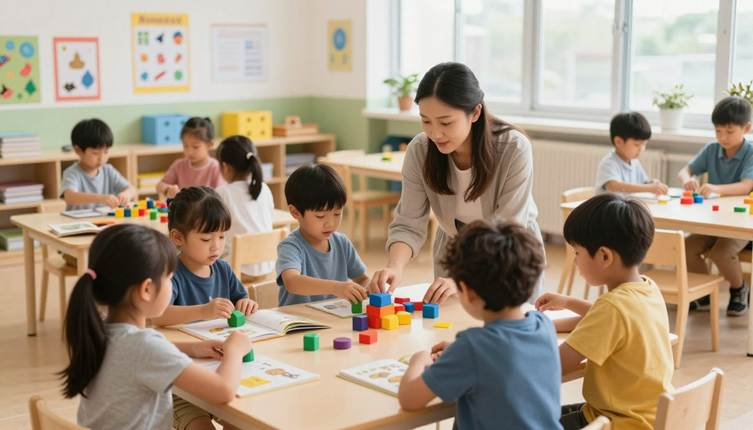
Attending both preschool and playschool can provide a child with a more diverse educational experience. Preschool offers a structured learning environment that prepares children for primary school, while playschool focuses on play-based learning, enhancing creativity and social skills.
By combining both, parents can leverage the strengths of each educational approach, potentially leading to a more well-rounded development for their child.
Potential Challenges and Considerations
While the combined approach has its benefits, there are also challenges to consider. One of the main concerns is the potential for over-scheduling, which can lead to stress and fatigue in young children.
Parents must carefully plan the schedule to ensure that their child has enough time for rest and play. It’s also crucial to monitor the child’s response to this combined approach and make adjustments as needed.
Creating a Balanced Schedule
To create a balanced schedule, parents should start by mapping out their child’s daily and weekly routine. This includes not just the time spent in preschool and playschool, but also time for homework, outdoor play, and family activities.
- Ensure there’s a balance between structured learning and free play.
- Leave some buffer time for unexpected activities or relaxation.
- Involve the child in the planning process to understand their preferences and needs.
Success Stories from Parents
Many parents have successfully enrolled their children in both preschool and playschool, reporting positive outcomes. For instance, one parent noted that her child became more confident and sociable after attending both programs.
“The combined approach worked wonders for my child. She learned to navigate different educational environments and developed a love for learning.”
A satisfied parent
Such success stories highlight the potential benefits of a combined education approach, provided that it’s implemented thoughtfully and with careful consideration of the child’s needs.
Common Mistakes Parents Make
Choosing the right educational path for your child can be daunting, and parents often make critical mistakes that can impact their child’s early learning experience. Understanding these common pitfalls can help you make a more informed decision.
Choosing Based on Convenience Alone
One of the most significant mistakes parents make is choosing an educational program based solely on convenience. While location and schedule can be important factors, they shouldn’t be the only considerations. It’s essential to evaluate the quality of education and the environment in which your child will be learning.
Ignoring Your Child’s Temperament
Every child is unique, with their own personality and learning style. Ignoring your child’s temperament when selecting an educational program can lead to a mismatch between your child’s needs and the program’s approach. Consider whether your child thrives in structured environments or more flexible settings.
Overlooking Teacher Qualifications
The qualifications and experience of teachers play a crucial role in the quality of education your child receives. Overlooking teacher qualifications can result in your child missing out on the best possible start. Look for programs with qualified, experienced educators who can provide the necessary support and guidance.
Not Visiting Before Enrolling
Not visiting a potential preschool or playschool before enrolling your child is a missed opportunity to assess the environment and meet the teachers. A visit can provide valuable insights into whether the program is a good fit for your child. It allows you to observe the facilities, the interaction between staff and children, and the overall atmosphere.
Rushing the Decision Process
Rushing into a decision without thorough research and consideration can lead to regret. Take the time to research different programs, ask questions, and weigh the pros and cons. A well-informed decision is crucial for your child’s educational journey.
Following Trends Without Research
Following educational trends without doing your own research is another common mistake. What’s popular isn’t always what’s best for your child. Evaluate the underlying principles and methods of any educational approach to ensure they align with your child’s needs and your family’s values.
About Geeki D Preschool in Rajakilpakkam, Chennai
Geeki D Preschool in Rajakilpakkam, Chennai, is redefining early childhood education with its innovative approach. Located in a vibrant community, the preschool is dedicated to providing a nurturing environment that supports the overall development of young children.
Our Educational Philosophy
At Geeki D Preschool, the educational philosophy is centered around creating a child-centric learning environment. The preschool believes in fostering curiosity, creativity, and critical thinking skills in children from an early age. As stated on their website, “Our approach is designed to make learning fun and engaging, laying a strong foundation for future academic success.”
“The right education at the right age can make a significant difference in a child’s life.”
— Geeki D Preschool
Programs and Curriculum
The preschool offers a comprehensive curriculum that includes a range of programs tailored to different age groups. The curriculum is designed to be engaging and challenging, with activities that promote physical, emotional, and cognitive development. Some of the key programs include:
- Early literacy and numeracy skills
- Art and craft
- Music and movement
- Science and exploration
Facilities and Learning Environment
Geeki D Preschool boasts state-of-the-art facilities that create a conducive learning environment. The preschool is equipped with modern classrooms, a library, and play areas, ensuring that children have access to a variety of learning resources.

Teacher Qualifications and Approach
The teachers at Geeki D Preschool are highly qualified and experienced in early childhood education. They adopt a nurturing approach, providing individualized attention to each child. The staff is committed to creating a safe and supportive environment that encourages children to explore and learn.
Parent Testimonials and Success Stories
Parents have praised Geeki D Preschool for its commitment to providing high-quality education and care. Many have shared success stories of their children’s progress, highlighting the preschool’s impact on their development. As one parent noted, “Geeki D Preschool has been a game-changer for our child. The teachers are dedicated, and the curriculum is engaging and challenging.”
Serving the Rajakilpakkam Community
Geeki D Preschool is deeply rooted in the Rajakilpakkam community, serving local families with its preschool programs. The preschool’s commitment to the community is evident in its efforts to provide accessible and affordable education, making it a valued institution in the area.
Final Verdict for Parents
Choosing between preschool and playschool for your child is a significant decision that requires careful consideration of several factors, including your child’s personality, developmental stage, and educational needs.
By understanding the differences between these two options, you can make an informed final decision that aligns with your parenting guidance and supports your child’s growth.
Whether you opt for the structured learning environment of a preschool or the play-based approach of a playschool, the key is to ensure that your child’s educational journey begins on a positive note.
As you make your final decision, consider visiting potential schools, talking to teachers, and assessing the facilities to ensure they meet your expectations.
With the right choice, you can set your child on the path to a successful and fulfilling educational experience.
FAQ
What is the main difference between preschool and playschool?
The main difference lies in their educational approach and philosophy. Preschool has a more structured learning environment with a focus on academic foundations, while playschool emphasizes play-based learning and social development.
At what age can my child join preschool or playschool?
Typically, children can join playschool between 2 to 3 years old, while preschool admission usually starts at around 3 years old. However, age requirements may vary depending on the institution.
How do I choose between preschool and playschool for my child?
Consider your child’s personality, needs, and development stage. Assess your family’s schedule and logistics, as well as your educational goals and expectations. Visiting both types of institutions can also help you make an informed decision.
Can my child attend both preschool and playschool?
Yes, it’s possible for a child to attend both, but it requires careful planning to create a balanced schedule. Weigh the benefits of a combined approach against potential challenges, and consider success stories from other parents.
What are the benefits of preschool education?
Preschool education lays academic foundations, provides a structured learning environment, and prepares children for primary school. It helps develop social, emotional, and cognitive skills essential for future academic success.
How important are teacher qualifications in preschool and playschool?
Teacher qualifications are crucial as they directly impact the quality of education. Look for institutions with qualified teachers who can provide a nurturing and supportive learning environment.
What should I consider when evaluating the cost of preschool or playschool?
When evaluating costs, consider factors such as the institution’s reputation, curriculum, facilities, and teacher qualifications. Compare costs in your local area, such as in Chennai, to make an informed decision.
How can I ensure my child is prepared for primary school?
Both preschool and playschool can prepare your child for primary school, but in different ways. Preschool focuses on academic foundations, while playschool emphasizes social development. Assess your child’s needs and choose the option that best aligns with your educational goals.

Comments are closed